


Dilara Altınkepçe Arslan | Manyak
Manyak
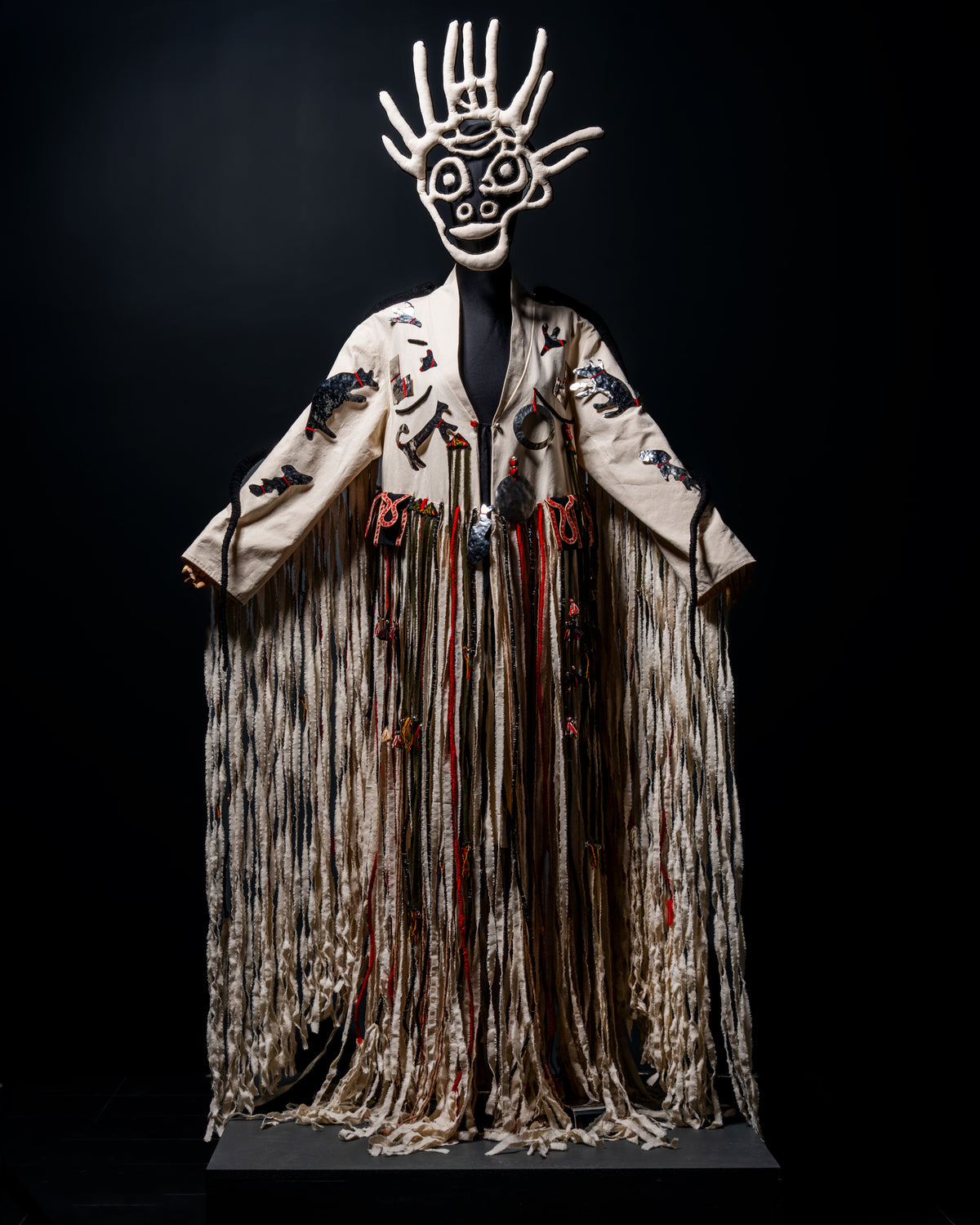
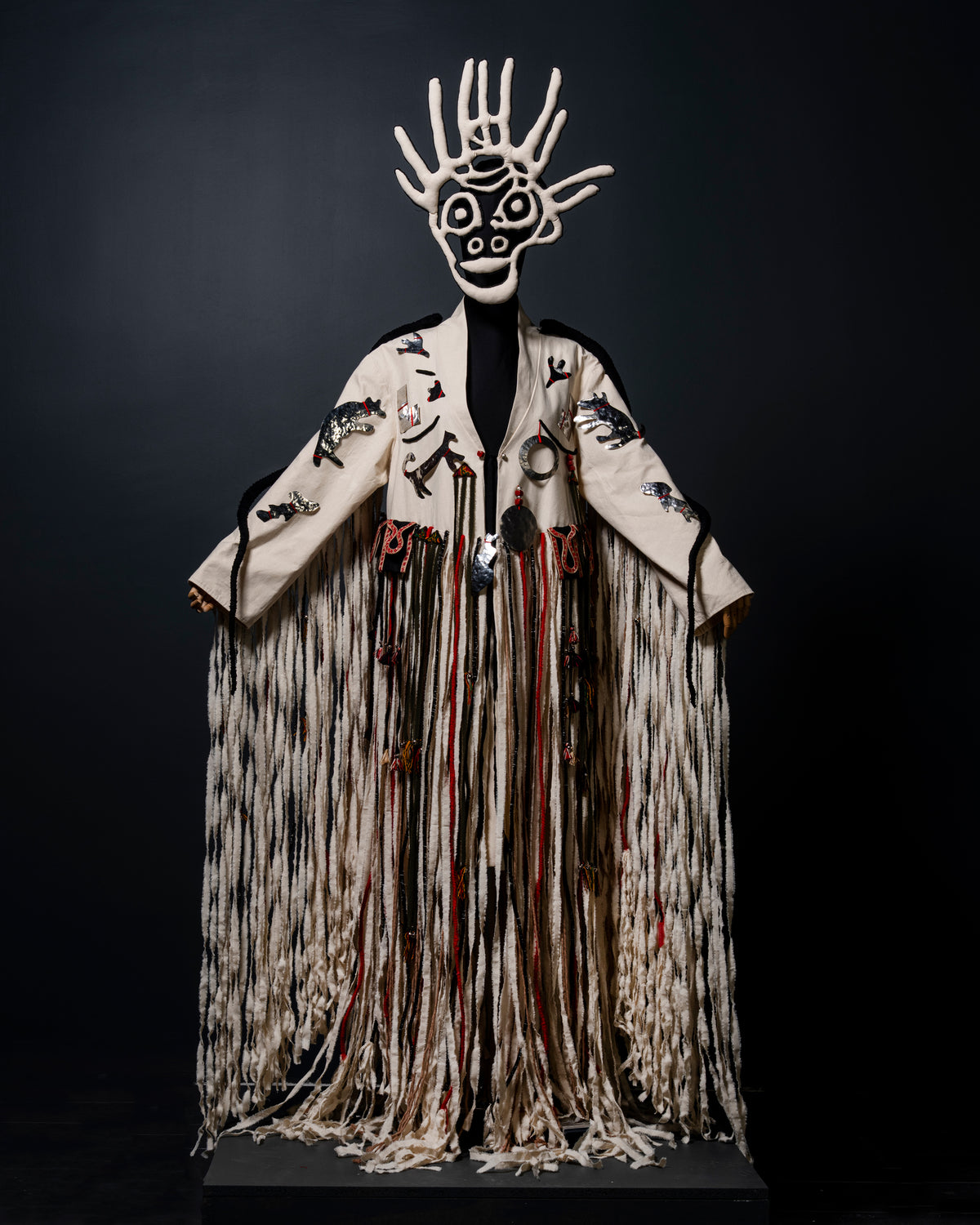
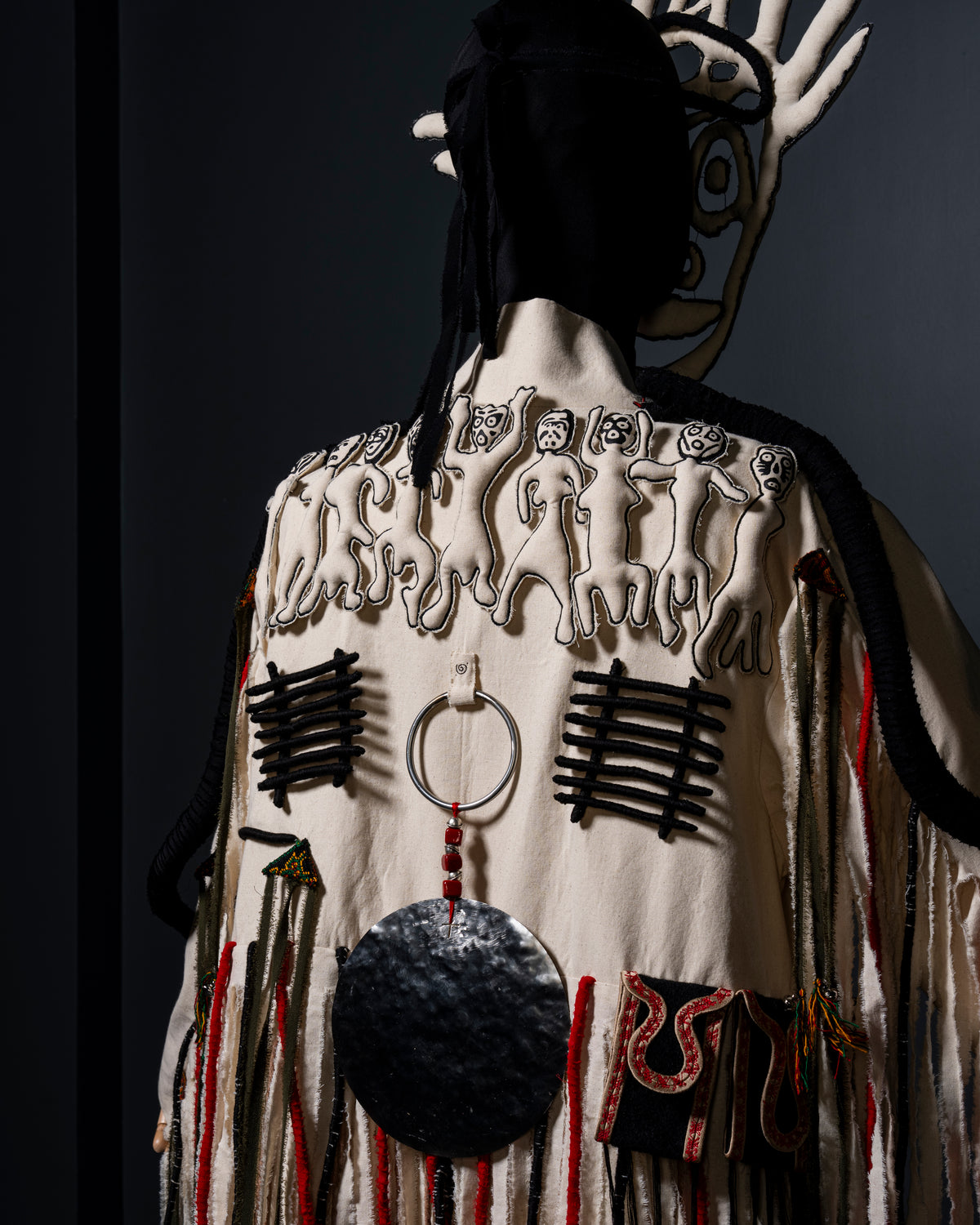
Manyak, Dilara Altınkepçe Arslan’ın 2026 tarihli heykelidir.
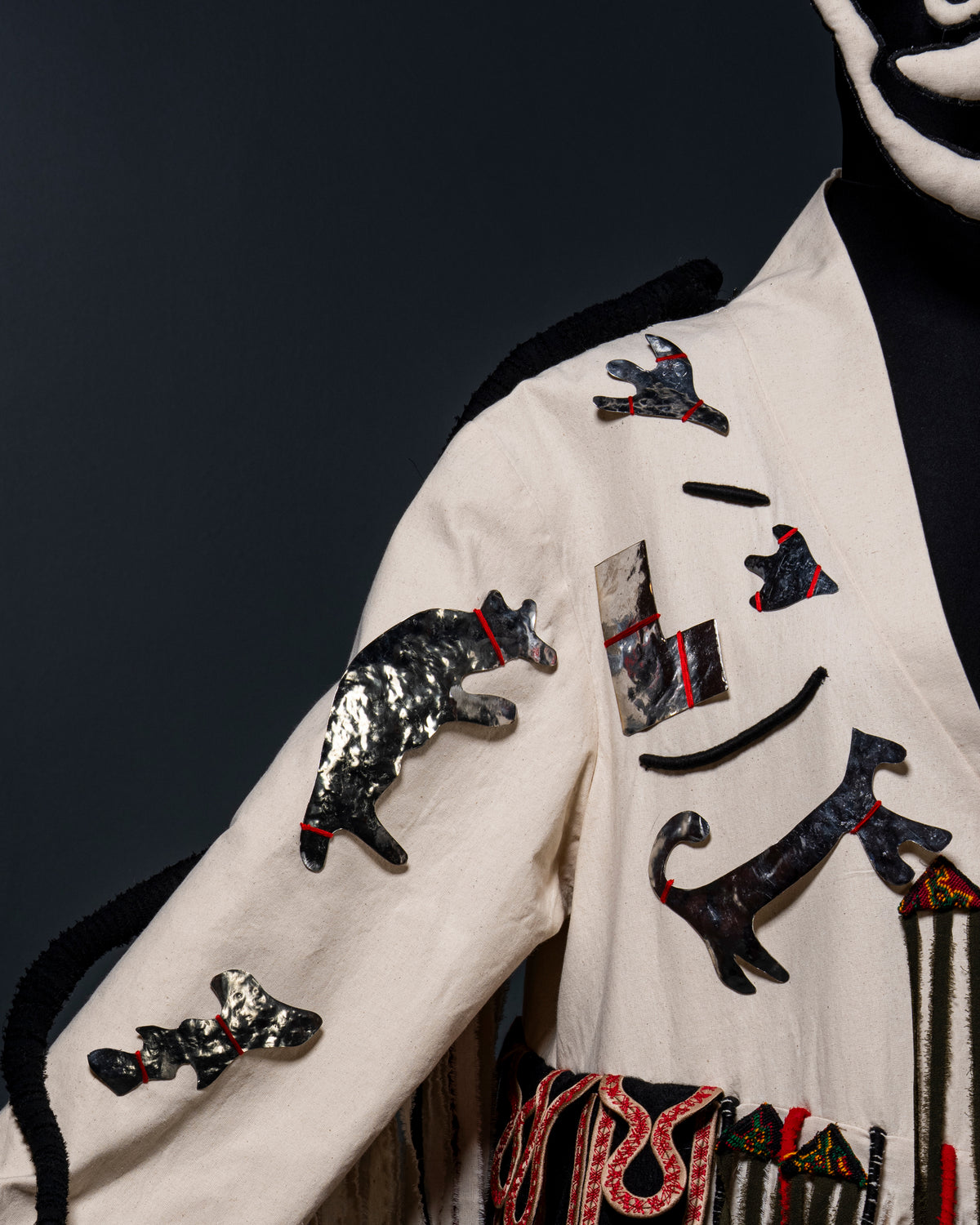
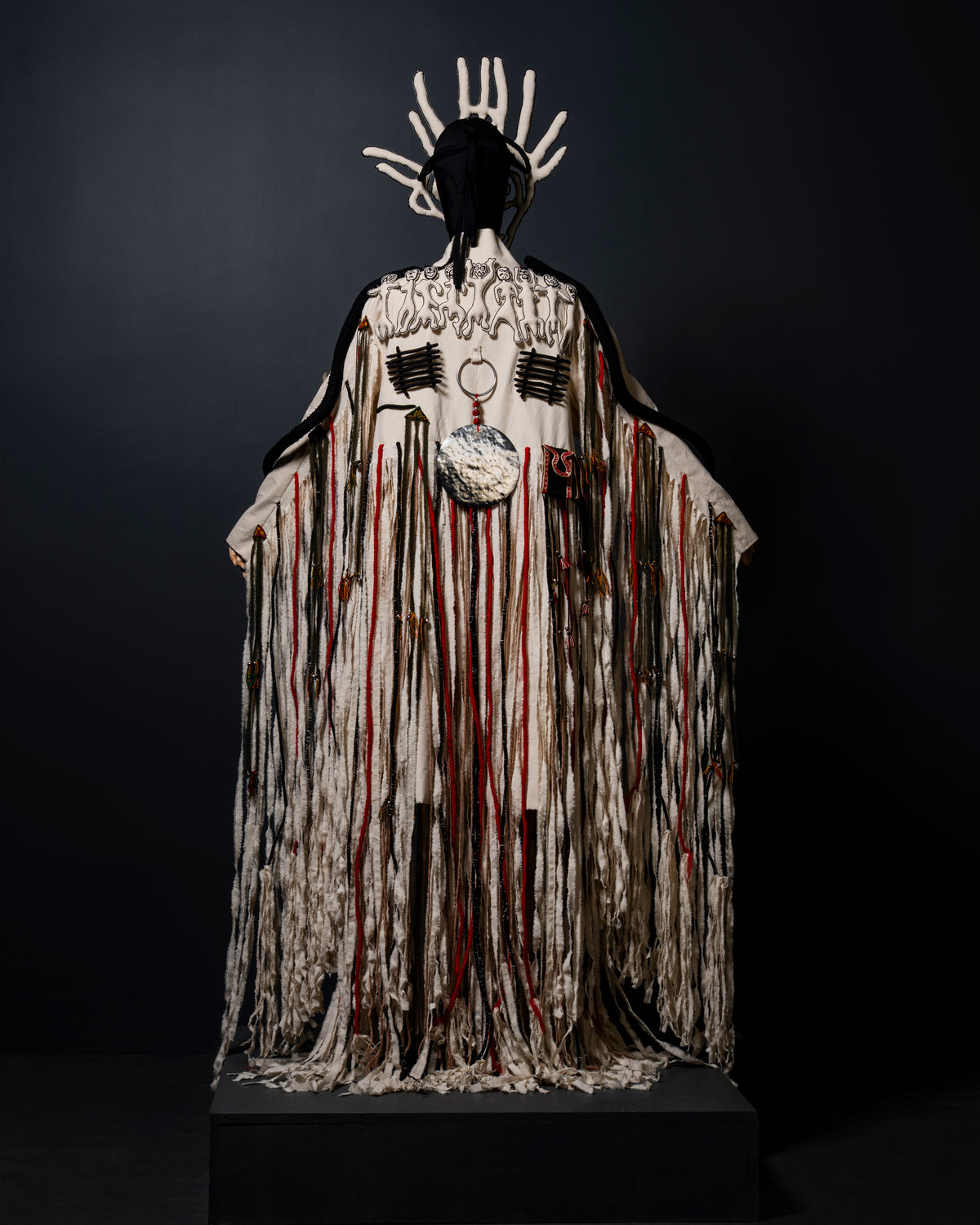
Manyak, Orta Asya ile Güney Sibirya'nın buluştuğu Altay dağları çevresinde kullanılan kutsal şaman giysisidir. A. V. Anohin'in 1924'te yayımlanan etnografik çalışması, bu geleneğin 20. yüzyıl başındaki görünümünü ve özellikle yeraltı ile yer-su inançlarıyla ilişkili ayinlerdeki yerini belgeler. Giysinin hazırlanmasında şamanın kişisel ritüel kimliği ve bağlı olduğu gelenek belirleyicidir; yakınlarının katkılarıyla oluşturulan parçalar, kişiye özgü bir bütün meydana getirir. Tamamlanan manyağın törenlerde kullanılabilmesi, geleneksel bir kutsama ayininin gerçekleştirilmesine bağlıdır. Giysinin üzerindeki figürler ve eklentiler, şamanik törenlerin mitolojik ve simgesel yapısını yansıtır. Omuz ve kol çevresindeki kanat benzeri sicim tutamları uçuşla ilişkilendirilirken, küçük insan figürleri Ülgen'in dokuz kızını temsil eder. Hayvanı çağrıştıran biçimler, "hayvan donuna girme", yani hayvan kılığına bürünme anlayışıyla da ilişkilendirilebilir. Ay, güneş ve yıldızları betimleyen metal parçalar göksel düzeni; Abra veya Yutpa biçimindeki uzun eklentiler ise yeraltıyla bağlantılı mitolojik varlıkları temsil eder. Çanlar, çıngıraklar ve minyatür yay-oklar, korunma işlevi atfedilen simgesel bir donanım oluşturur. Şaman giysileri, günümüzde de bu coğrafyanın bazı kesimlerinde, yerel farklılıklar ve zaman içinde geçirdikleri değişimlerle birlikte ayinlerde kullanılmaya devam etmektedir.
English
Manyak is a 2026 sculpture by Dilara Altınkepçe Arslan.
Manyak is the sacred shamanic garment used around the Altai Mountains, where Central Asia and Southern Siberia meet. A. V. Anohin's ethnographic study, published in 1924, documents the appearance of this tradition in the early twentieth century and, in particular, its place in rituals associated with underworld and earth-water beliefs. In the preparation of the garment, the shaman's personal ritual identity and the tradition to which the shaman belongs are decisive; the pieces, created with the contributions of the shaman's relatives, form a whole specific to the individual. The ability of the completed manyak to be used in ceremonies depends on the performance of a traditional consecration ritual. The figures and attachments on the garment reflect the mythological and symbolic structure of shamanic ceremonies. The wing-like bundles of cords around the shoulders and arms are associated with flight, while the small human figures represent the nine daughters of Ülgen. Forms that evoke animals may also be associated with the notion of "entering the animal's garb," that is, assuming the guise of an animal. The metal pieces depicting the moon, sun and stars represent the celestial order, whereas the long attachments in the form of Abra or Yutpa represent mythological beings connected with the underworld. The bells, rattles and miniature bows and arrows constitute symbolic equipment to which a protective function is attributed. Shaman garments continue to be used in rituals in some parts of this region today, together with local variations and the changes they have undergone over time.
Eser künyesi / Artwork details
| Envanter no. / Inventory no. | ENV.NO.26.004.004 |
|---|---|
| Yıl / Year | 2026 |
| Teknik / Medium | Heykel / Sculpture |
| Çerçevesiz ölçü / Unframed dimensions | 120 × 60 × 180 cm |
| Çerçeveli ölçü / Framed dimensions | 120 × 60 × 180 cm |
ENV.NO.26.004.511
Nelumbo Studios
Tax included. Shipping calculated at checkout

Choose options
See Other Collections


Past Exhibitions


